The Civil Society Organization (CSO) Sustainability Index in Ukraine in 2025 remained at 3.0 points. This demonstrates that civil society maintains its overall resilience despite the protracted war, reductions in international funding, and an increasing workload on organizations.
This was highlighted during the presentation of the findings of the CSO Sustainability Index in Ukraine, prepared by the Ukrainian Center for Independent Political Research (UCIPR) with the support of the International Renaissance Foundation.
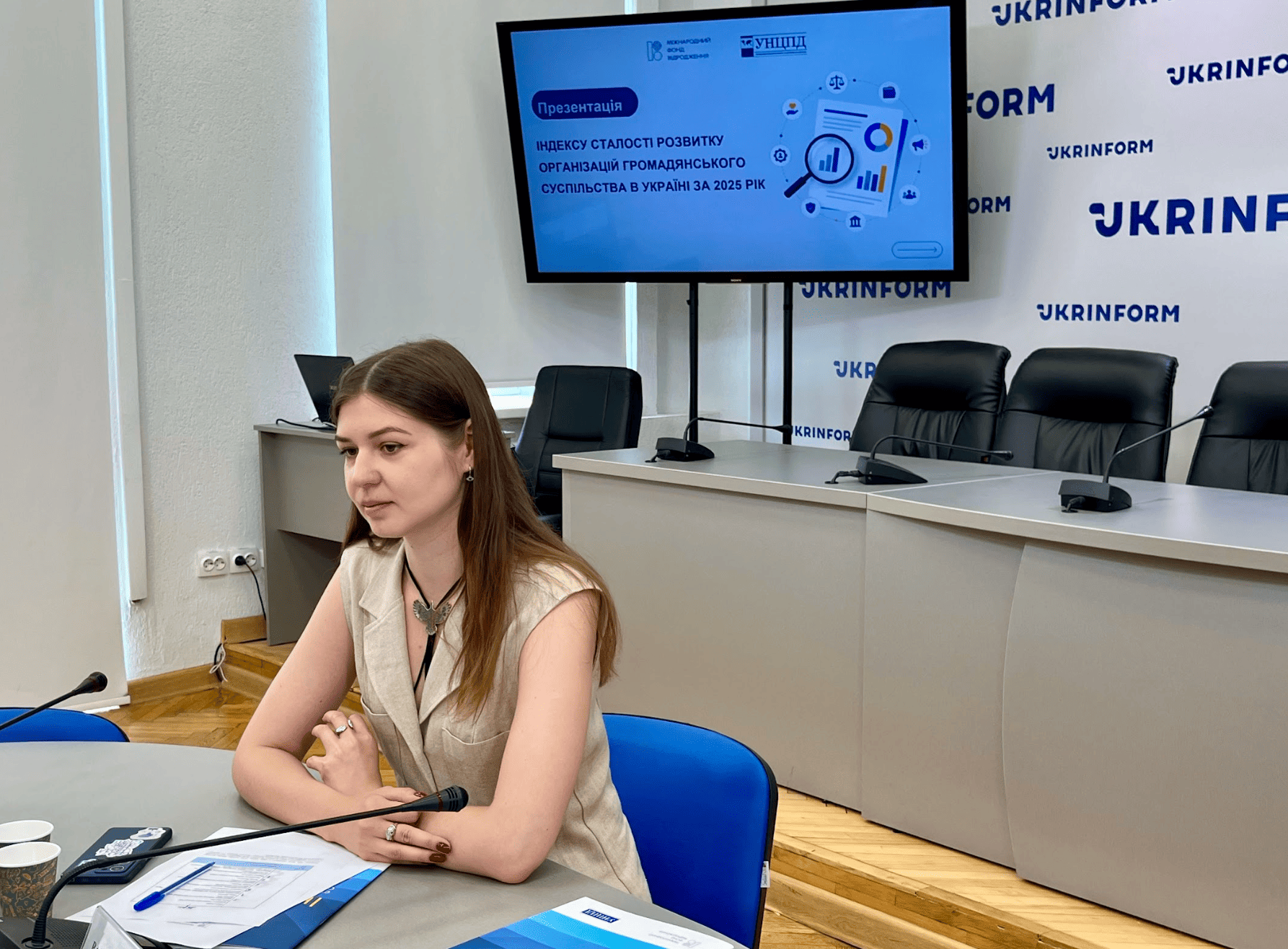
Valeriia Skvortsova, Executive Director of UCIPR, noted that an unchanged overall score does not mean there are no shifts within the sector. According to her, civil society continues to show high levels of engagement, but is facing an ever-growing number of challenges.
"Civil society organizations continue to prove themselves highly active and maintain a certain reserve of resilience. At the same time, they face an increasing number of risks and challenges. First and foremost is security; the protracted war is exhausting people and, consequently, non-governmental organizations," she stated.
Oleksiy Orlovsky, Director of the "Democracy and Good Governance" Program at the International Renaissance Foundation, emphasized the importance of the study for understanding the dynamics of civil society development and its role in Ukraine's European integration process.
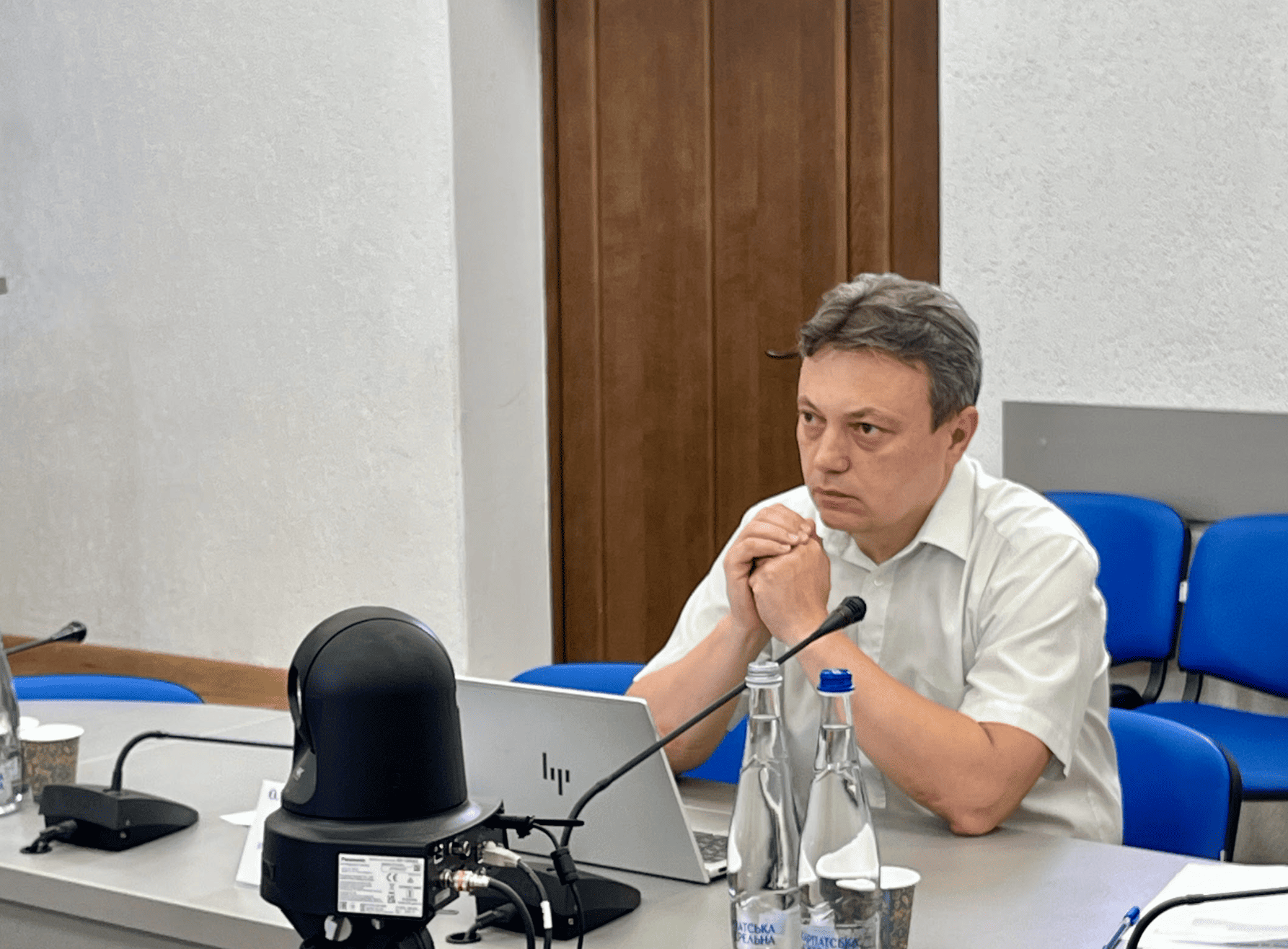
According to him, presenting the experiences of organizations across various regions of Ukraine is of particular importance.
"For us, one of the crucial prerequisites was involving representatives not only from Kyiv-based organizations but also from different regions across Ukraine in the assessment," he stressed.
Oleksiy Orlovsky also noted that supporting the development of civil society and its impact on decision-making processes remains one of the foundational priorities of the International Renaissance Foundation.
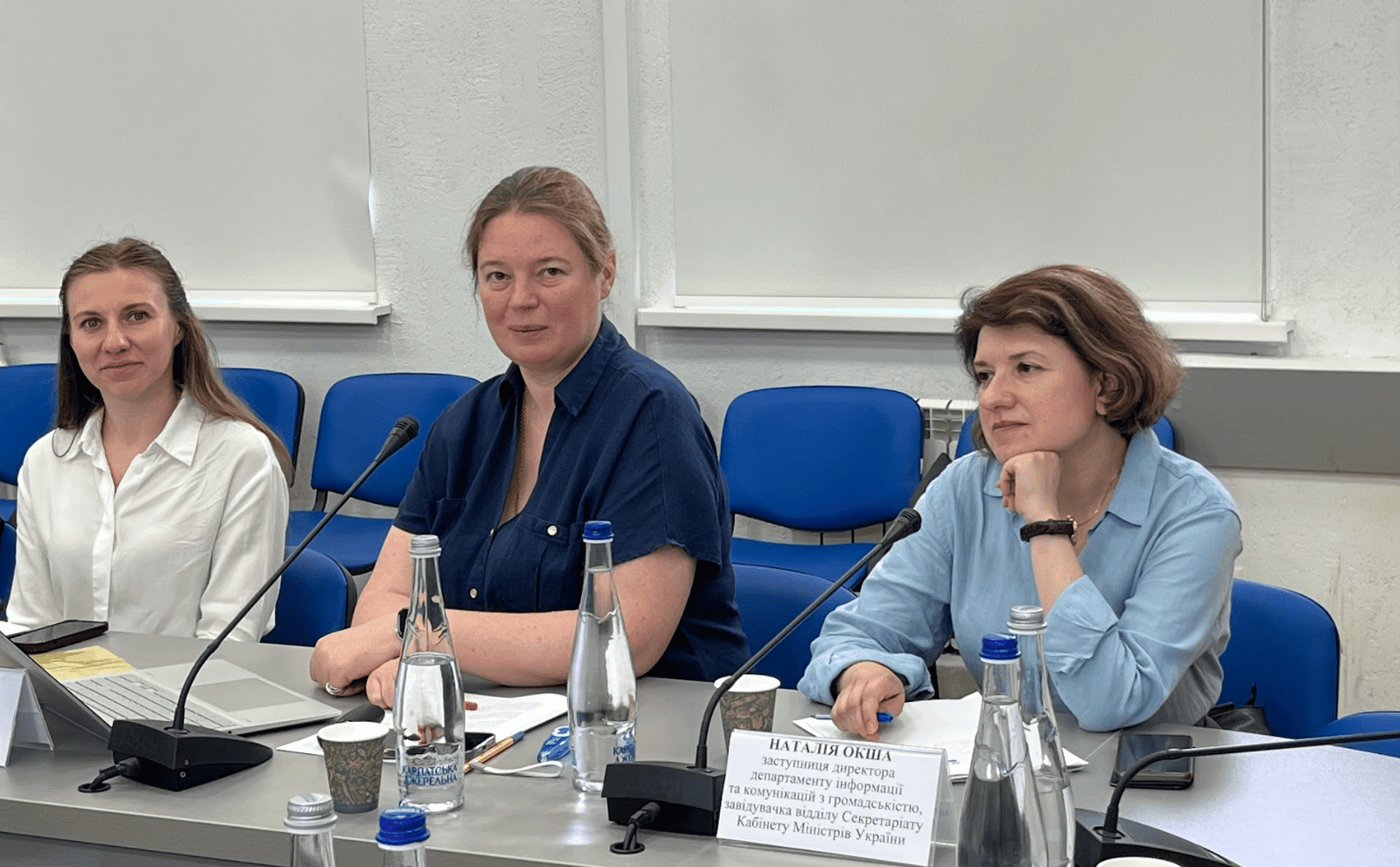
Nataliia Oksha, Deputy Director of the Information and Public Communications Department and Head of Division at the Secretariat of the Cabinet of Ministers of Ukraine, remarked that the Index provides a comprehensive overview of the state of civil society and its interaction with state authorities.
In her view, the research findings are essential not only for assessing the implementation of the National Strategy for Promoting Civil Society Development, but also for understanding the broader context of state policy implementation, Ukraine's recovery, and local community development. She also pointed out the value of utilizing the Index findings when drafting the new National Strategy.
Presenting the research, Yaryna Pokhodai, Legal Analyst at UCIPR and co-author of the study, noted that the Index methodology is based on the framework developed by USAID, with UCIPR having worked on the Index in Ukraine for over a decade.
"The assessment combines expert discussions, desk research, and regional situational analysis. UCIPR experts conducted focus groups with civic sector representatives and online surveys, making it possible to incorporate the experiences of organizations across various parts of Ukraine, particularly those operating in frontline areas," the expert explained.
Detailed research results were presented by Yuliia Panura, UCIPR Expert on CSO Taxation and Charitable Activities and co-author of the study.
She noted that while the overall score remained steady at 3.0 points, dynamics varied across individual dimensions.
The legal environment improved by 0.1 points to 3.2 points. At the same time, challenges persist in the areas of lobbying, protection of civic activists, banking services, and financial monitoring.
Commenting on the results for this dimension, Maksym Latsyba, Head of the Civil Society Development Program at UCIPR, highlighted several positive developments in 2025. These included the launch of online registration for non-governmental organizations based on a model charter, the advancement of citizen participation tools, increased transparency of local self-government authorities, and improved conditions for humanitarian activities.
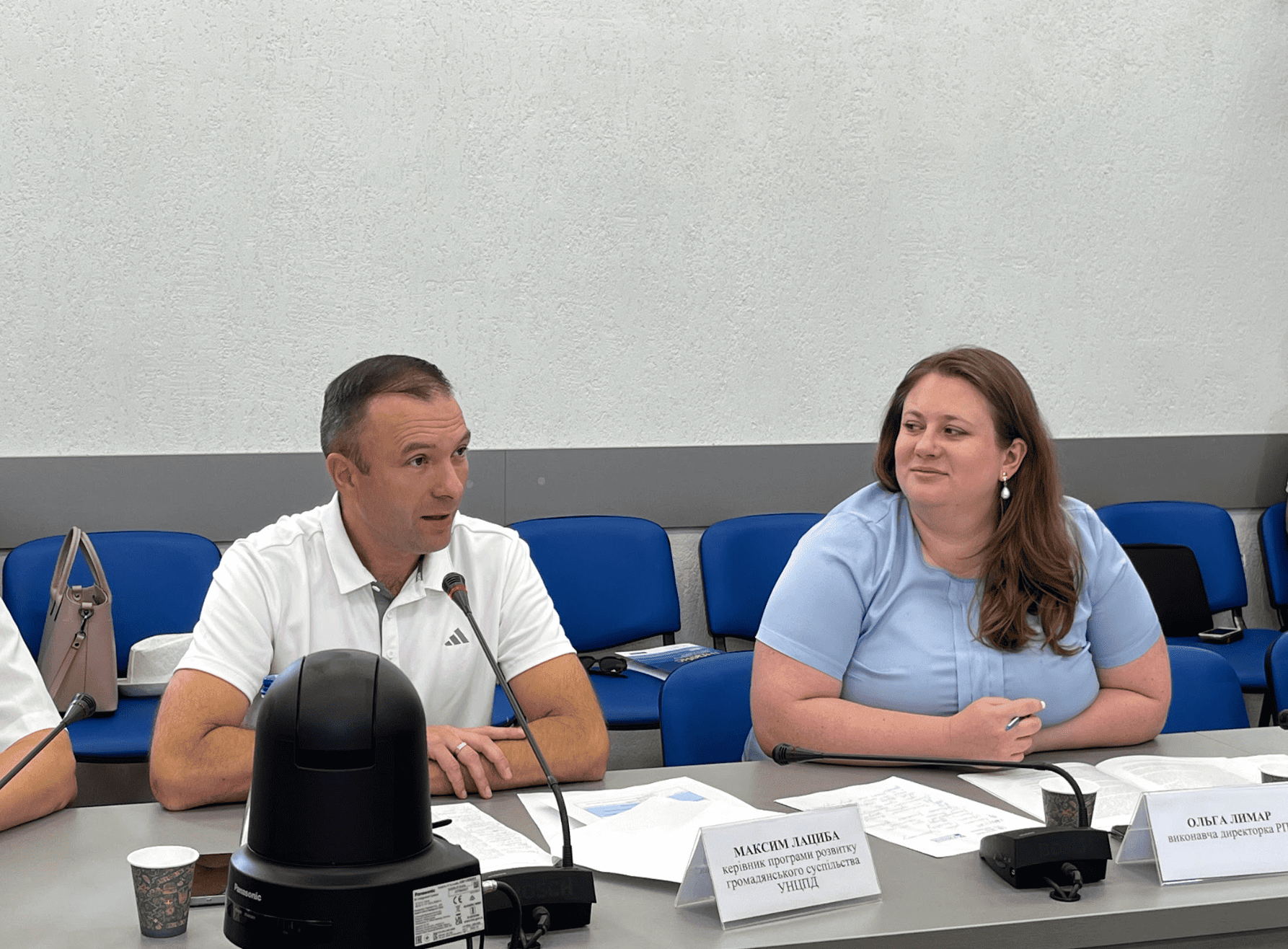
However, according to the expert, a number of important legislative initiatives remain unfulfilled.
Among the challenges, he also pointed to the protection of civic activists and issues surrounding banking services for CSOs and charitable organizations.
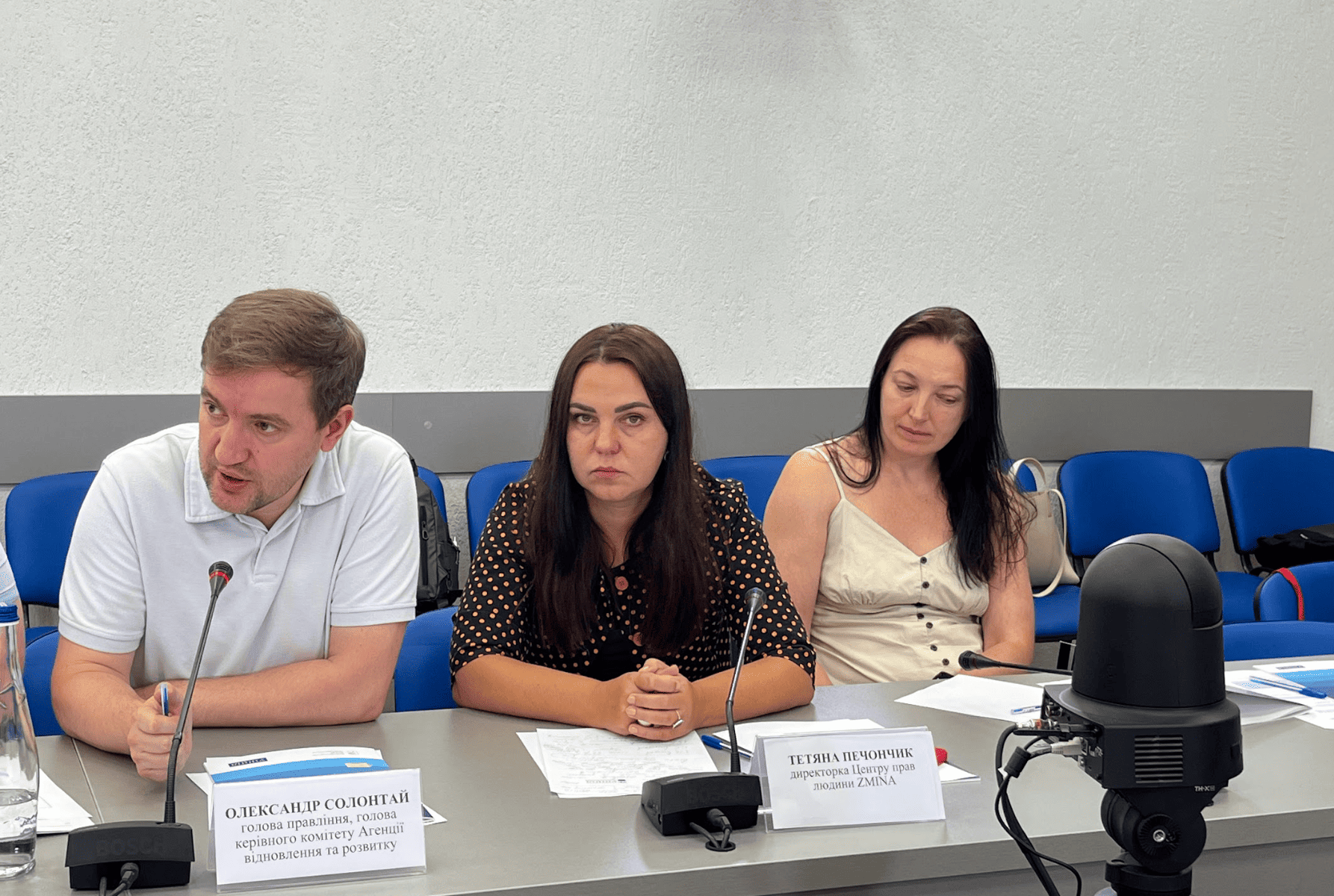
Continuing on the topic of activist protection, Tetiana Pechonchyk, Head of the ZMINA Human Rights Centre, reported that 178 cases of persecution of civic activists were recorded in Ukraine-controlled territory in 2025. Over 60% of them were linked to Russian aggression. At the same time, non-war-related persecution cases persist, including legal pressure, criminal proceedings, and SLAPP lawsuits.
Discussing the state of advocacy in 2025, Olha Lymar, Executive Director of the RPR Coalition, noted that cuts in international funding have significantly impacted the capacity of civil society and think-tank organizations to work on reforms and advocacy campaigns.
She drew attention to developments surrounding the draft law on NABU and SAPO, which, in her opinion, demonstrated both the strength of civil society and the ability to leverage democratic mechanisms even under martial law.
Among the key challenges, Olha Lymar highlighted the pace of parliament's work and the execution of European integration reforms.
Mila Leonova, Director of the Alliance of Ukrainian Civil Society Organizations, focused on how reductions in international funding served as an impetus for new support models—new funds, programs, and regranting mechanisms.
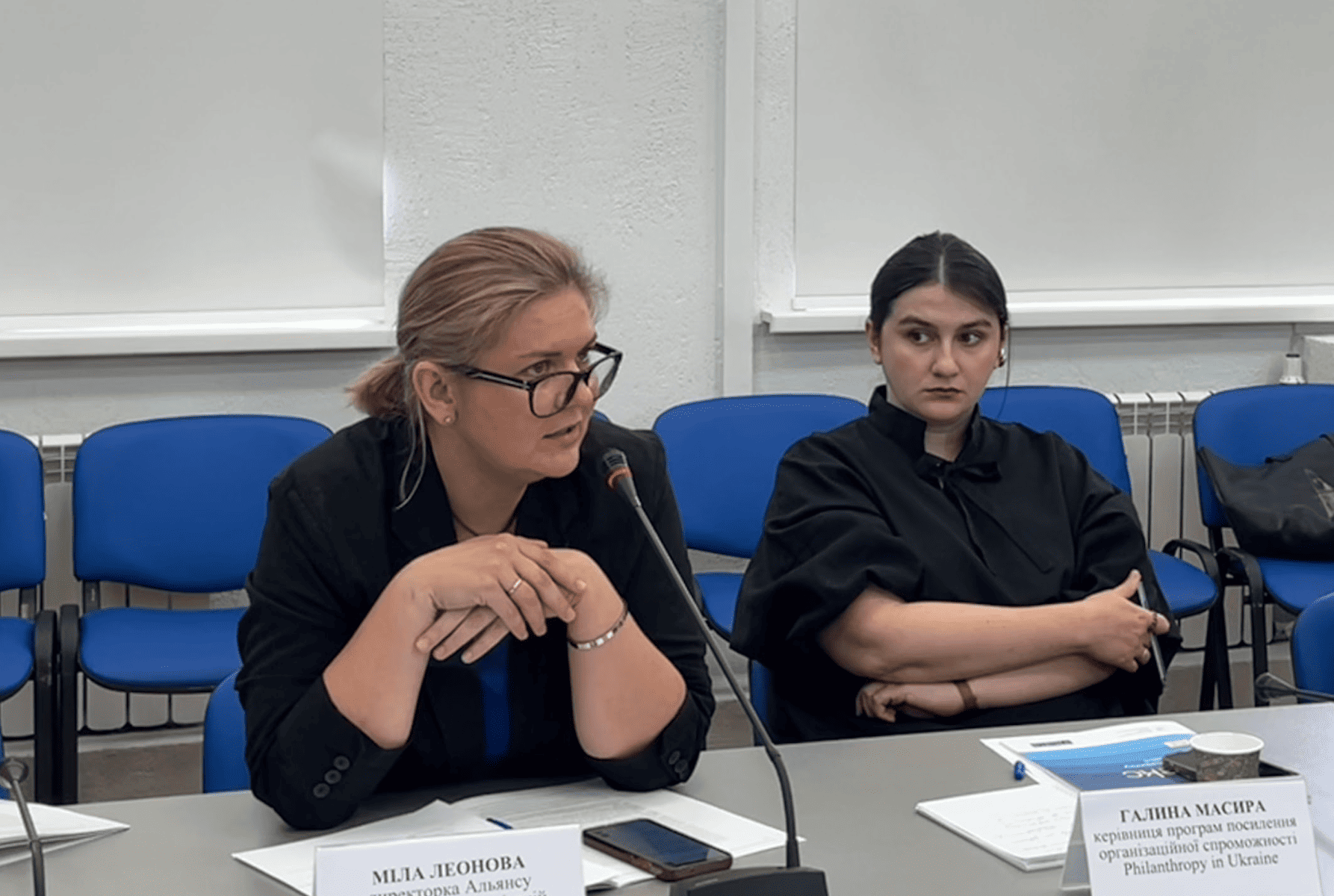
She also emphasized the need to strengthen inter-organizational cooperation and create mechanisms allowing small and local CSOs to access resources.
In contrast, Hanna Kotenko, Executive Director of the Charitable Organization "Network 100 Percent Life Rivne" (EU4CSOs EmpowerUA project), drew attention to the situation of social service-providing organizations.
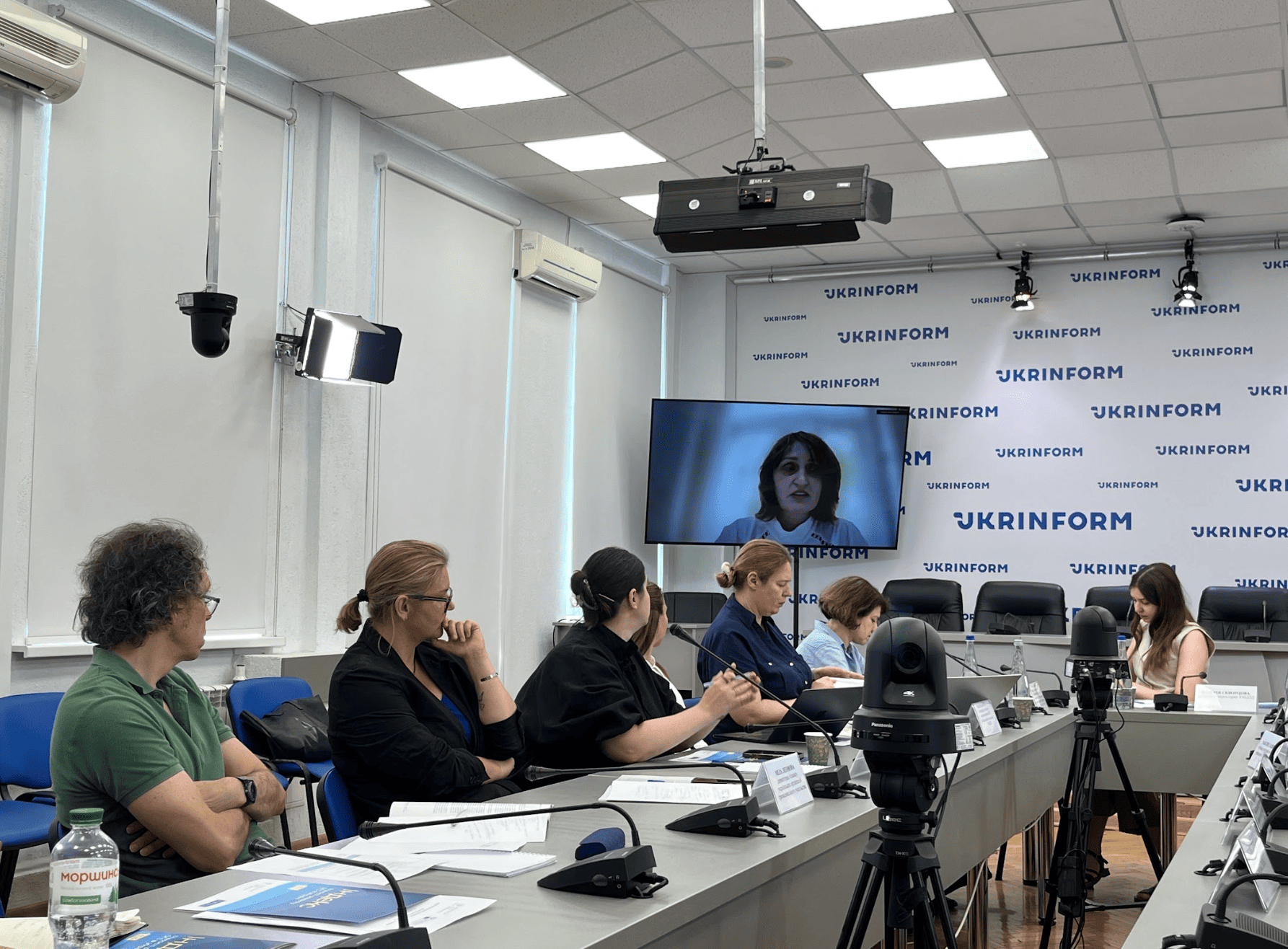
According to her, despite harsh conditions, they maintain resilience and have even slightly improved their access to funding; however, this stability comes at a high cost, as CSO staff are experiencing the exact same challenges as the people they serve.
For her part, Halyna Masyra, Representative of Philanthropy in Ukraine, drew attention to substantial demand from international partners, civil society, and state institutions for CSO transparency and accountability.
Oleksandr Solontay, Head of the Steering Committee of the Agency for Recovery and Development, assessing the Index outcomes, emphasized that the diversification of the donor environment was an important achievement in 2025. Among key challenges, he cited the state of human capital in wartime, economic hardships, and the insufficient adaptation of public administration to new conditions.
As a reminder, the Index evaluates seven key dimensions of civil society development: legal environment, organizational capacity, financial viability, advocacy, service provision, sectoral infrastructure, and public image. For each dimension, experts assess changes relative to the previous year to form an overall score.
The study presentation was held within the framework of the "CSO Sustainability Index in Ukraine" project supported by the International Renaissance Foundation. The content of the event and the research is the sole responsibility of the Ukrainian Center for Independent Political Research.
Read also: New Capabilities of the Diia Portal: How the Changes Will Impact Non-Governmental Organizations