The Ukrainian Center for Independent Political Research presented the information and communication campaign #ThoseWhoSupport (#ТіХтоПідтримує), dedicated to civil society organizations that support Ukrainians and help communities overcome the challenges of war.
The goal of the campaign is to make the civic sector's contributions more visible and to tell the stories of the people behind this work. This includes assistance to the military and veterans, the development of a blood donation culture, support for internally displaced persons (IDPs) and people affected by the war, and the implementation of humanitarian, social, and educational initiatives.
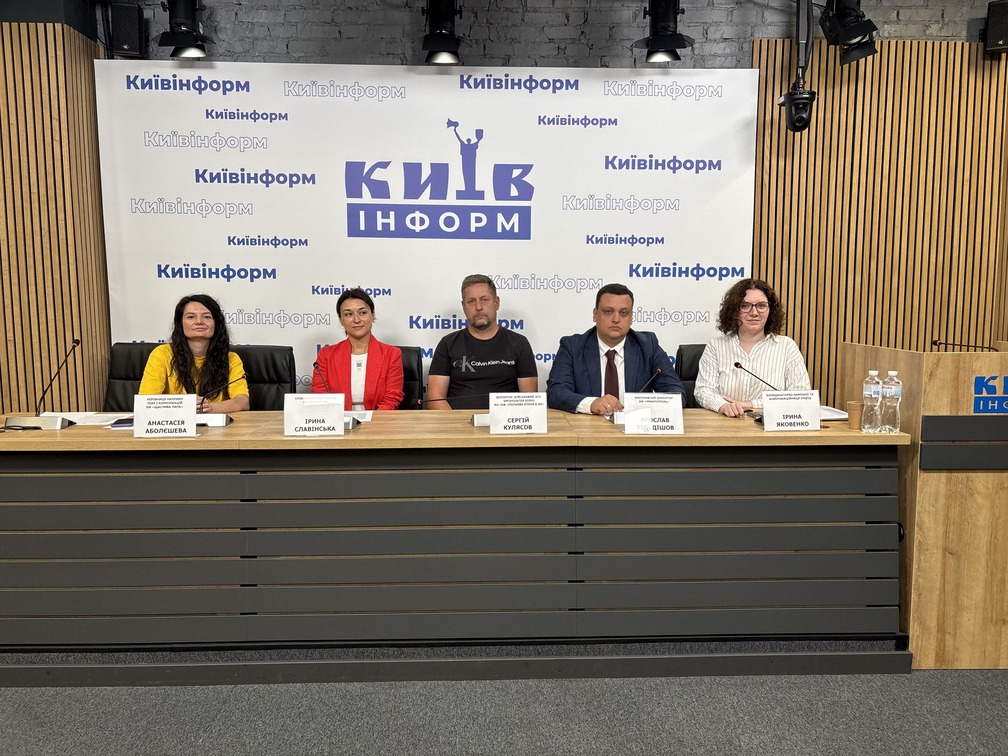
During the presentation, representatives of the civic sector, government institutions, media, and charitable organizations discussed why it is crucial today to talk about the contribution of civil society organizations, how public visibility affects trust in them, and how communication can foster a culture of public participation. Special attention was paid to the stories of the five organizations that became the heroes of the #ThoseWhoSupport campaign.
Valeriia Skvortsova, Executive Director of the Ukrainian Center for Independent Political Research, noted that the impetus for creating the campaign was the results of the "Civil Society Organization Sustainability Index in Ukraine" study.
"People understand very well what a volunteer does, but at the same time, they might not understand what a public organization does, even though these things are interconnected. That is why we decided to use this information campaign to show how much civil society organizations actually do and how wide their scope of work is - covering virtually every area of our lives," noted Valeriia Skvortsova.
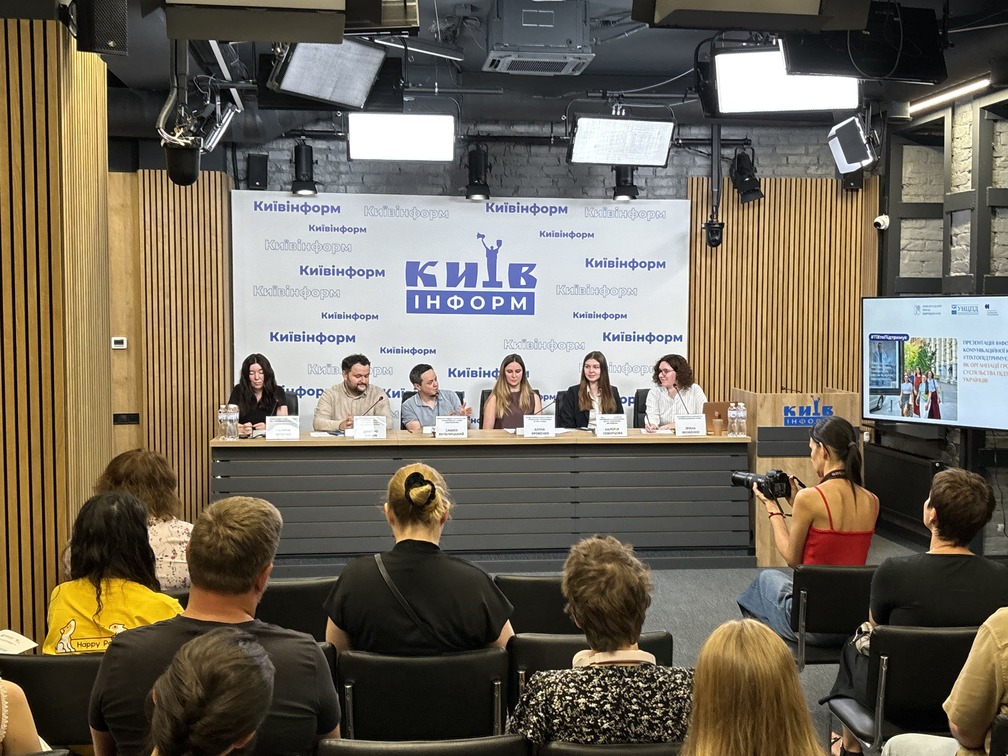
The Department of Public Communications of the Kyiv City State Administration (KCSA) became a campaign partner. According to Alina Yarovenko, Deputy Head of the Department - Head of the Socio-Political Issues Division, supporting public initiatives and developing partnerships between the government and civil society remain among the city's key priorities.
She recalled that Kyiv established the "TOP-100" city award, which has been honoring active representatives of civil society whose activities have a significant social impact for six consecutive years.
"Kyiv cannot stand aside from such events, so we provided organizational support to this campaign and hope to continue developing civil society in the capital," Alina Yarovenko emphasized.
The laureates of the "TOP-100" city award formed the basis for selecting the campaign's heroes. Iryna Yakovenko, campaign coordinator and communications manager at UCIPR, said that the campaign team aimed to showcase the diversity of civil society through the stories of organizations working in various fields.
She focused specifically on the concept of the information campaign. Kyiv was chosen for the first stage of it as the largest city in Ukraine, which after the start of the full-scale war became home to hundreds of thousands of internally displaced persons and one of the centers of volunteer activity. Until June 30, the stories of the organizations could be seen on billboards, city lights, and metro lights in the capital.
"We deliberately kept the communication very simple - one hero, one story. It was important to us that a person could understand in a few seconds who is behind this work, who helps and supports us," stressed Iryna Yakovenko.
In turn, Sashko Kulchytskyi, Head of Communications at the International Renaissance Foundation, spoke about the importance of civil society development for a democratic Ukraine.
According to him, the Foundation has been supporting civil society for over 35 years because its development fosters the openness of the state and society.
"In this campaign, civil society stops being something abstract; it stops being just a definition like 'non-governmental sector' or 'third sector'. We see who stands behind this civil society. These are not abstract people in ties, but people who raise funds, deliver aid to the frontline, organize blood donations, open shelters, and do more than is expected of them every day," noted Sashko Kulchytskyi.
A separate panel discussion was dedicated to the visibility of civil society during the war.
Dmytro Zinchuk, a leading media development expert at NGO Internews-Ukraine, emphasized that the organization has been supporting independent media for many years, helping communities build communication capacities and working to make socially important initiatives more visible to citizens.
"Today, the activities of civil society organizations are already a component of the state's resilience, in particular, information resilience. That is why it is important for independent media to highlight the voices of volunteers, public organizations, and activists, showing not only their stories but also the mechanisms through which these solutions work in synergy between the authorities, the civic sector, and citizens," Dmytro Zinchuk highlighted.
Halyna Zhovtko, editor and journalist at the "Civic Space" Information and Analytical Center, emphasized that the visibility of public organizations primarily depends on trust and the ability to attract resources.
According to her, the civic sector today operates under conditions of shrinking donor support, staff losses, and professional burnout, making the issue of organizational visibility even more urgent.
"When we talk about the visibility of public organizations, it's not about self-promotion or the number of likes. It is about public trust, the ability to advocate for changes, and attract resources. If a public organization remains invisible, it won't receive support," noted Halyna Zhovtko.
Anastasiia Rudenko, head of media solutions at "Rubryka," editor-in-chief of "Skhidnyi Variant," and coordinator of the "Window of Recovery" network, joined the discussion online and shared practical advice on cooperation between public organizations and the media.
According to her, organizations should actively offer their stories to journalists, look for news hooks in their own activities, and formulate them in a clear, human-centered language.
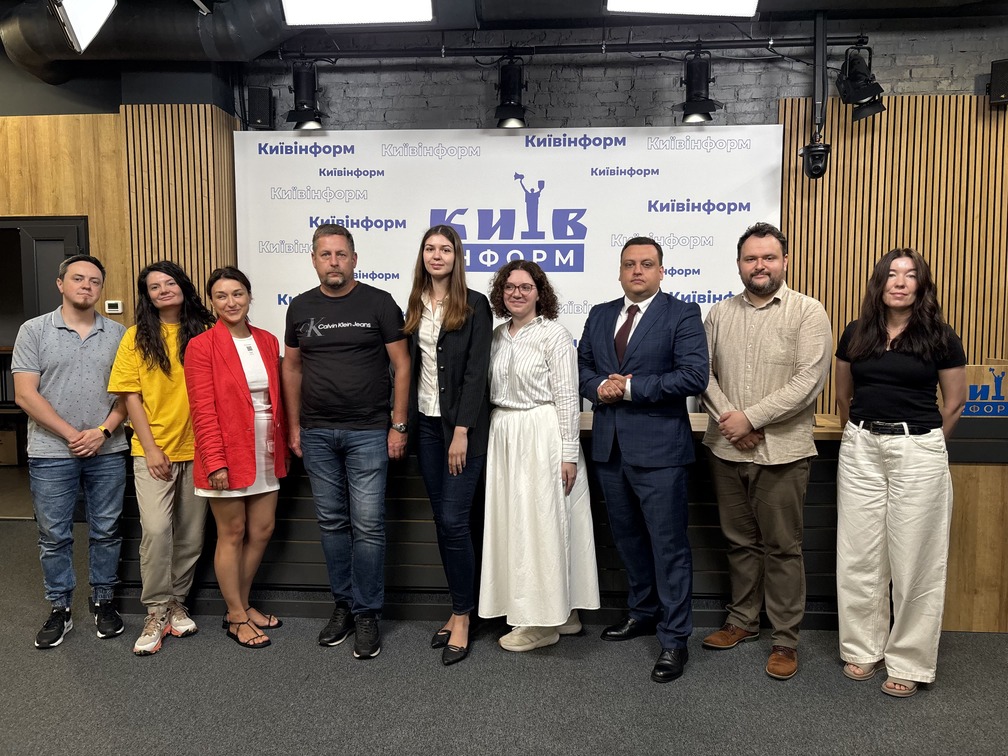
The presentation was also attended by representatives of the organizations whose stories formed the basis of the campaign:
- "YaMariupol" Charity Foundation, which created the largest network of support centers for Mariupol residents in Ukraine;
- "DonorUA" public organization, which unites over 220,000 blood donors;
- "Hurkit" Charity Foundation, which provides transport and humanitarian aid to the military, medics, and rescuers;
- "Field Kitchen B-50" charitable organization, that provides hot meals daily to the military, internally displaced persons, and people affected by the war;
- "Happy Paw" Charity Foundation, which has been supporting animal shelters and developing a culture of responsible attitude towards them for over ten years.
The next stage of the #ThoseWhoSupport campaign will include video stories, social media publications, and features about public and charitable organizations that support people and communities in various corners of Ukraine.
As the organizers emphasized, the campaign's name, #ThoseWhoSupport, refers to thousands of civil society organizations across Ukraine and to hundreds of thousands of people who support others every day and strengthen the country's resilience.
The campaign under the slogan "How civil society organizations support Ukrainians" is implemented by the NGO "Ukrainian Center for Independent Political Research" (UCIPR) in cooperation with the Department of Public Communications of the executive body of the Kyiv City Council (KCSA) with the support of the International Renaissance Foundation. The content of this material is the sole responsibility of UCIPR.
Read also: What Does the State Policy Strategy on Internal Displacement Envisage? Analysis by UCIPR Experts